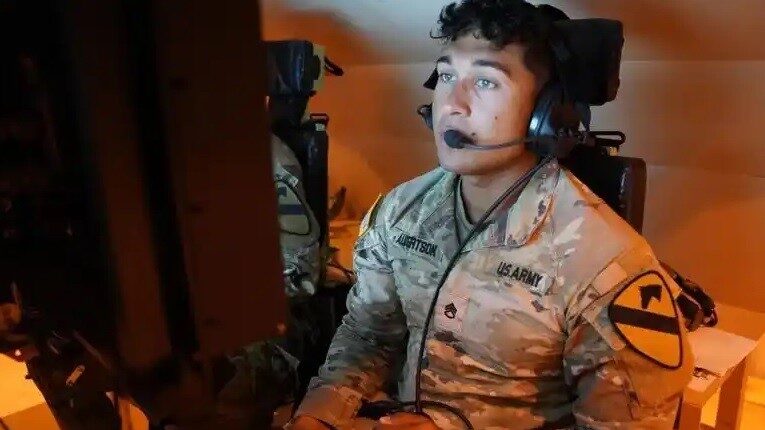
Gen Z gamers help Army race towards robotic future force
With the Robotic Combat Vehicle Light set to enter service in 2028, young soldiers are providing vital feedback on prototypes, tactics and user-friendly interfaces.
With the Robotic Combat Vehicle Light set to enter service in 2028, young soldiers are providing vital feedback on prototypes, tactics and user-friendly interfaces.

The Autonomous Multi-Domain Launcher program involves a High Mobility Artillery Rocket System (HIMARS) modified with software to be controlled remotely and driven autonomously.
Michigan’s defense ecosystem and expertise makes it a special asset for production.
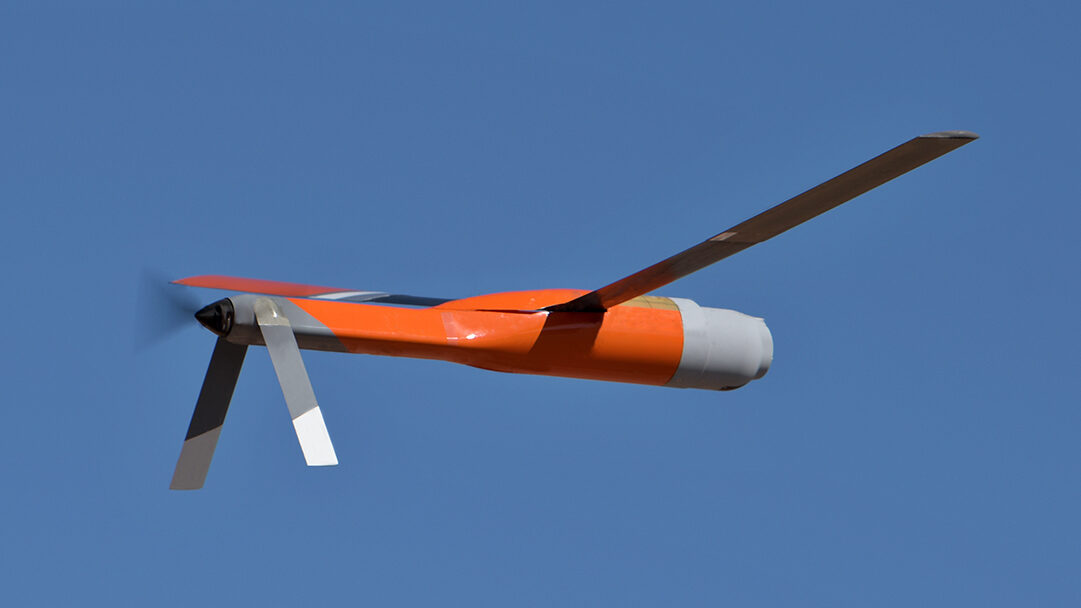
"That is just a lot of complicated work," said Jeffrey Langhout, listing a series of technical challenges the Army hope to identify and overcome.

“The idea of a loaded spring released by a latch is a staple in mechanical design, but the research team cleverly observed that engineers have yet to achieve the same performance out of a Latch-Mediated Spring Actuator that we find in nature,” Dean Culver, program manager at the lab, writes. “By more closely mimicking the geometry of a mantis shrimp's physiology, the team was able to exceed accelerations produced by limbs in other robotic devices by more than tenfold.”
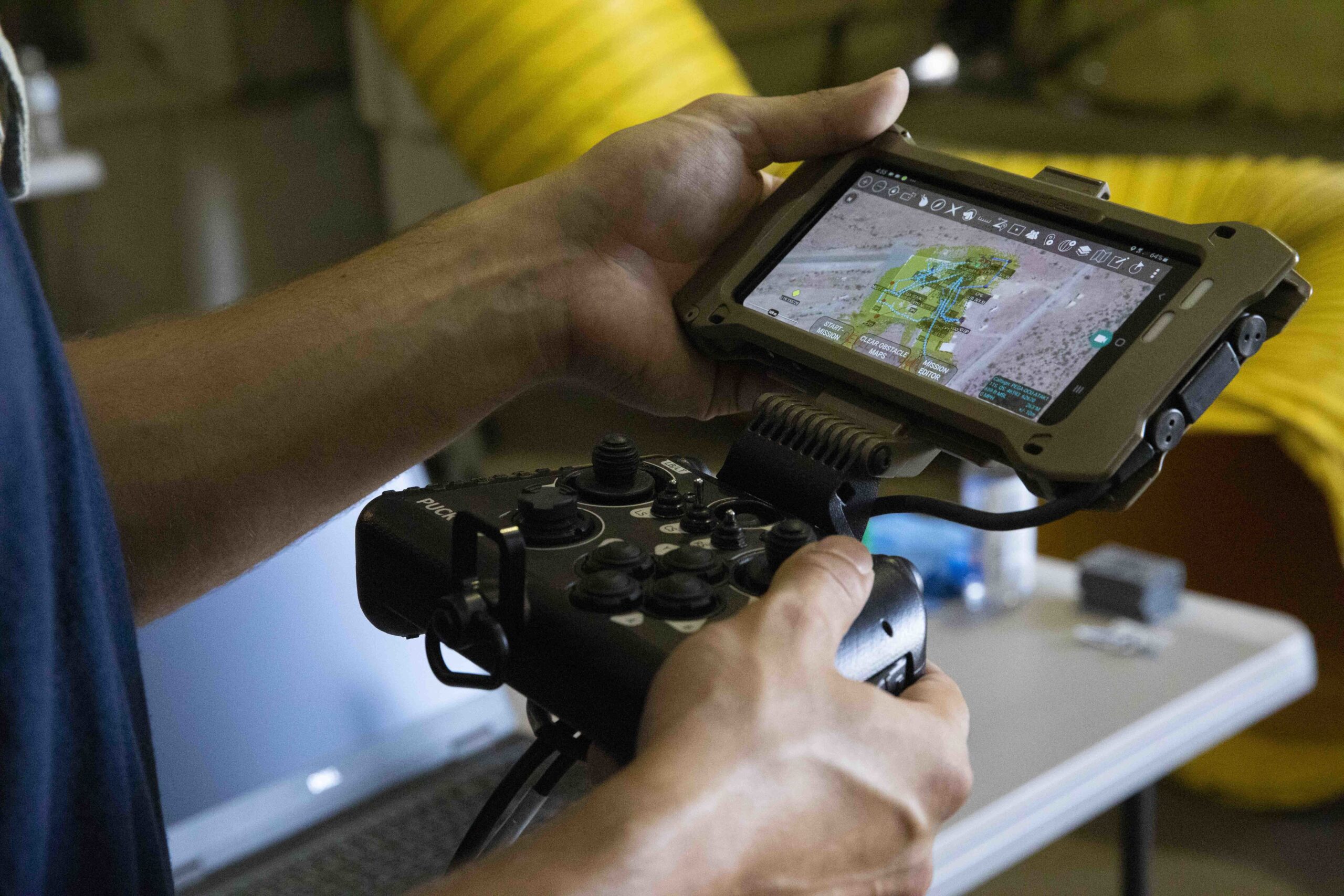
“There’s capabilities out on the bench, on the floor, sitting out back in the parking lot,” said Army senior executive Michael Monteleone, who founded the Joint Systems Integration Laboratory.
Rather than wait for a much-delayed Air Force system, the Army's plan is to deploy Generation 1 of its new receiver this year, starting with the 2nd Calvary Regiment, the 1st Armored Division, and the 1st Infantry Division.


Blending superior optics, advanced stabilization and AI-powered autonomy in a compact and rugged system, ASELFLIR 600 delivers unmatched intelligence, surveillance and reconnaissance (ISR) capabilities.

The Army will soon hold live-fire tests of an AI that can algorithmically spot targets and aim at them -- but a human still has to pull the trigger. Will ATLAS let future tanks fight better with smaller crews?

"We ultimately want this Team Ignite to become the way we do business -- it's increased collaboration with the right partners in the right events," says Maj. Gen. John George, head of Army Combat Capabilities and Development Command (CCDC).
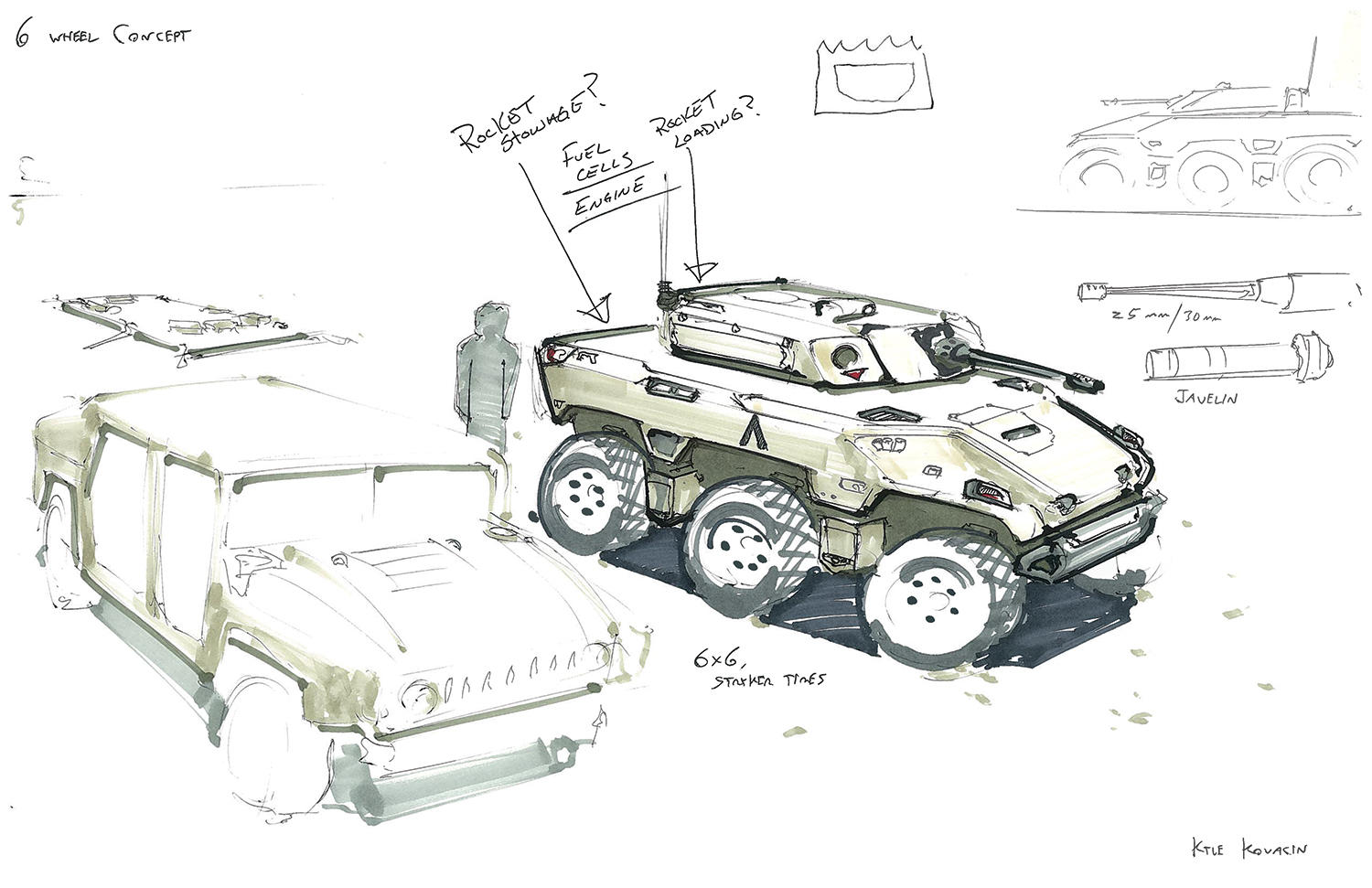
Industry sources say the Army shouldn’t enter its own in-house design team in the race to replace the M2 Bradley. Top Army officials told us why it would work.
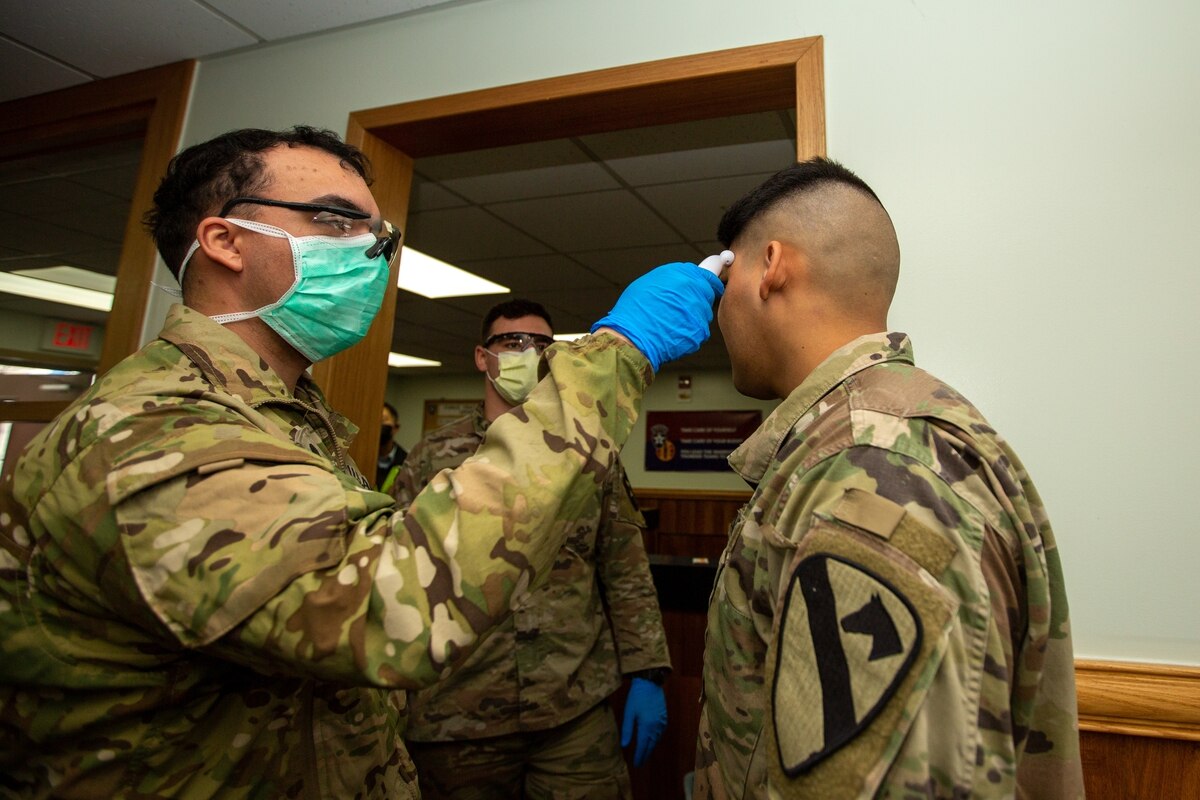
Some 992 soldiers have now tested positive, with a cluster among trainees at Fort Jackson, S.C., although many showed no symptoms.


Consolidate network monitoring, performance management, and fault isolation into a single, comprehensive solution.
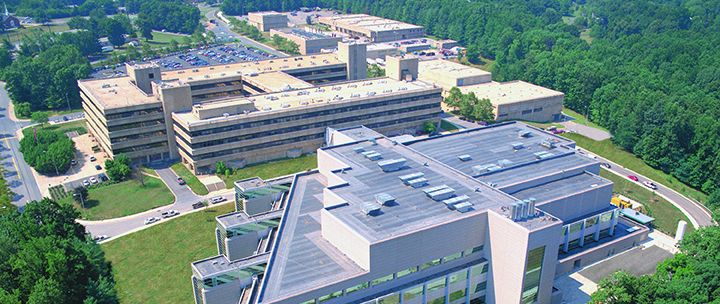
Some 80 percent of Army science funding supports the service's Big Six modernization drive — but the 20 percent left for long-term basic research could transform military and civilian electronics.
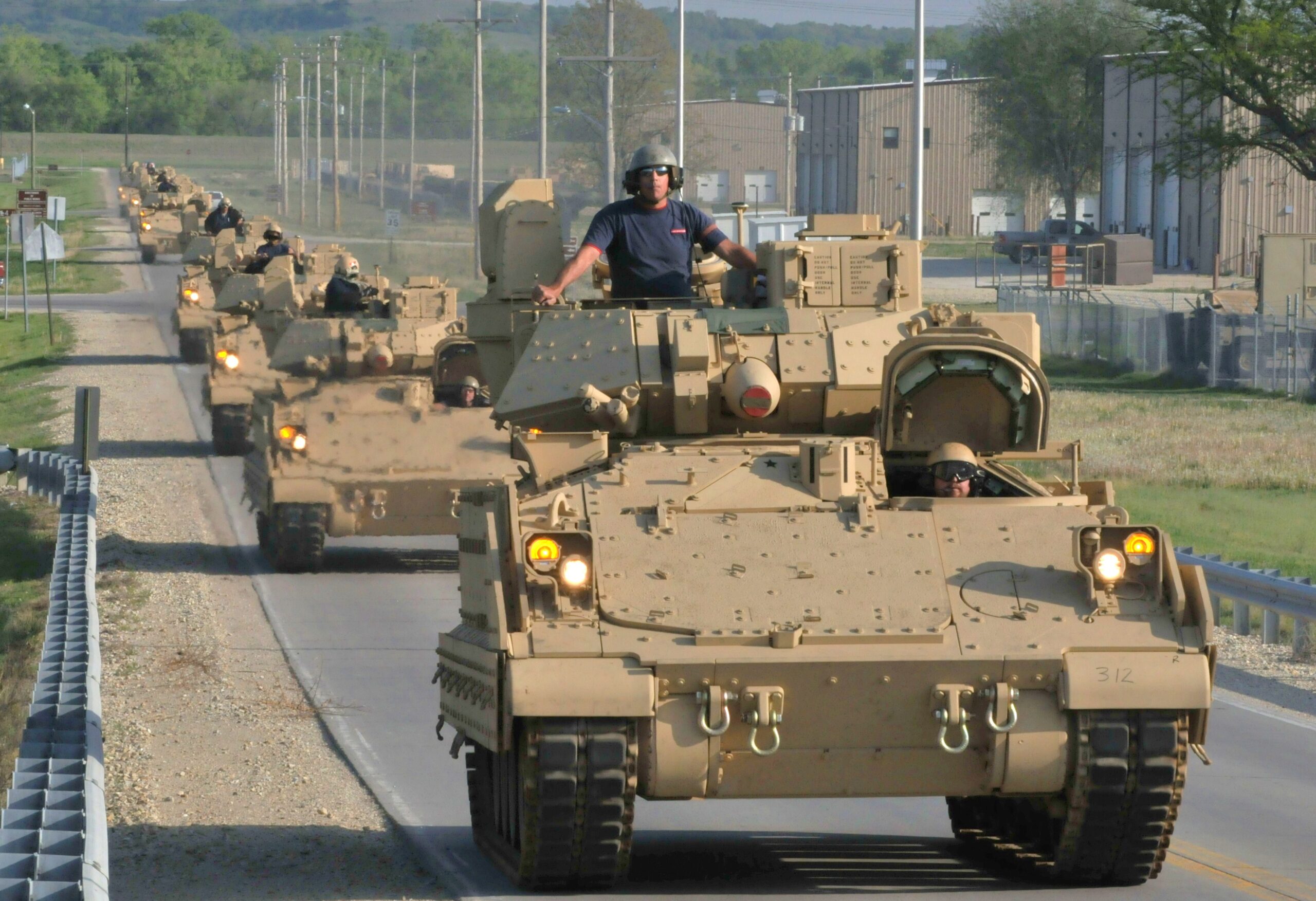
The 1,000-horsepower Advanced Powertrain Demonstrator could upgrade the M2 Bradley or drive new kinds of manned and robotic vehicles.

The experimental turret will use the technology — and the safeguards — from the Army’s ATLAS project, originally misrepresented in the media as building "killer robots."

Alarming headlines to the contrary, the US Army isn't building robotic "killing machines." What they really want artificial intelligence to do in combat is much more interesting.